Alopecia X

Comprehensive Guide on Managing Alopecia X in Pomeranians
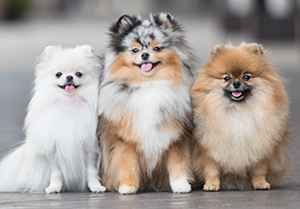 |
Alopecia X is a condition seen primarily in Pomeranians, characterized by non-inflammatory hair loss and hyperpigmentation. This guide provides an in-depth look at the symptoms, differential diagnoses, diagnostic strategies, and advanced treatment options, including the novel approach of microneedling.
|
Symptoms
- Progressive Hair Loss: Begins on the trunk, sparing the head and limbs. Initially involves the loss of primary guard hairs.
- Hyperpigmentation: The skin in affected areas may become noticeably darker.
- Persistent Puppy Coat: Dogs with Alopecia X often retain their fluffy puppy coat and do not develop the adult coat typical of the breed.
Differential Diagnoses
Accurate diagnosis requires differentiation from other conditions:
- Hypothyroidism: Marked by general lethargy, weight gain, and diffuse hair loss.
- Cushing's Disease: Characterized by excessive cortisol production, leading to increased appetite, thirst, and hair loss.
- Demodectic Mange: Results in hair loss, skin infections, and itching due to mite infestation.
- Fungal Infections: Ringworm presents with circular patches of hair loss and is highly contagious.
Diagnostic Approach
Alopecia X diagnosis involves several key tests:
- Blood Tests: Including a CBC and chemistry panel to evaluate overall health.
- Thyroid Function Tests: Critical for excluding hypothyroidism.
- ACTH Stimulation Test: Assesses adrenal gland function for signs of Cushing’s disease.
- Skin Scrapings and Fungal Cultures: Used to rule out parasitic and fungal infections.
- Hormonal Tests: Focus on adrenal sex hormones which may be linked to Alopecia X.
Treatment and Management
While there is no cure, various treatments can manage symptoms:
- Melatonin Supplementation: Can regulate hormones and promote hair growth.
- Hormonal Therapy: Mitotane or trilostane may adjust hormone levels under strict veterinary guidance.
- Neutering Intact Dogs: Helps reduce hormone fluctuations that can exacerbate the condition.
- Omega-3 Fatty Acids: Aid skin health and reduce inflammation.
- Specialized Skin Care: Involves the use of moisturizing or medicated shampoos.
- Microneedling: A novel treatment performed by veterinarians that involves using fine needles to stimulate skin repair processes, potentially enhancing hair growth.
Summary and Prognosis
- Effective management of Alopecia X in Pomeranians requires a multifaceted approach tailored to the individual dog. Regular veterinary visits are crucial for monitoring the condition and adjusting treatment plans as necessary.
- Owners should also consider the use of protective clothing to protect their dogs from environmental elements. With the right care and ongoing management, most Pomeranians with Alopecia X can maintain a good quality of life, despite the condition's cosmetic implications. Microneedling represents a promising addition to the range of treatment options, offering a new avenue for potentially improving hair regrowth and skin health.
| 
 Processing ....