Comprehensive Axolotl Care Guide for New Owners

Introduction
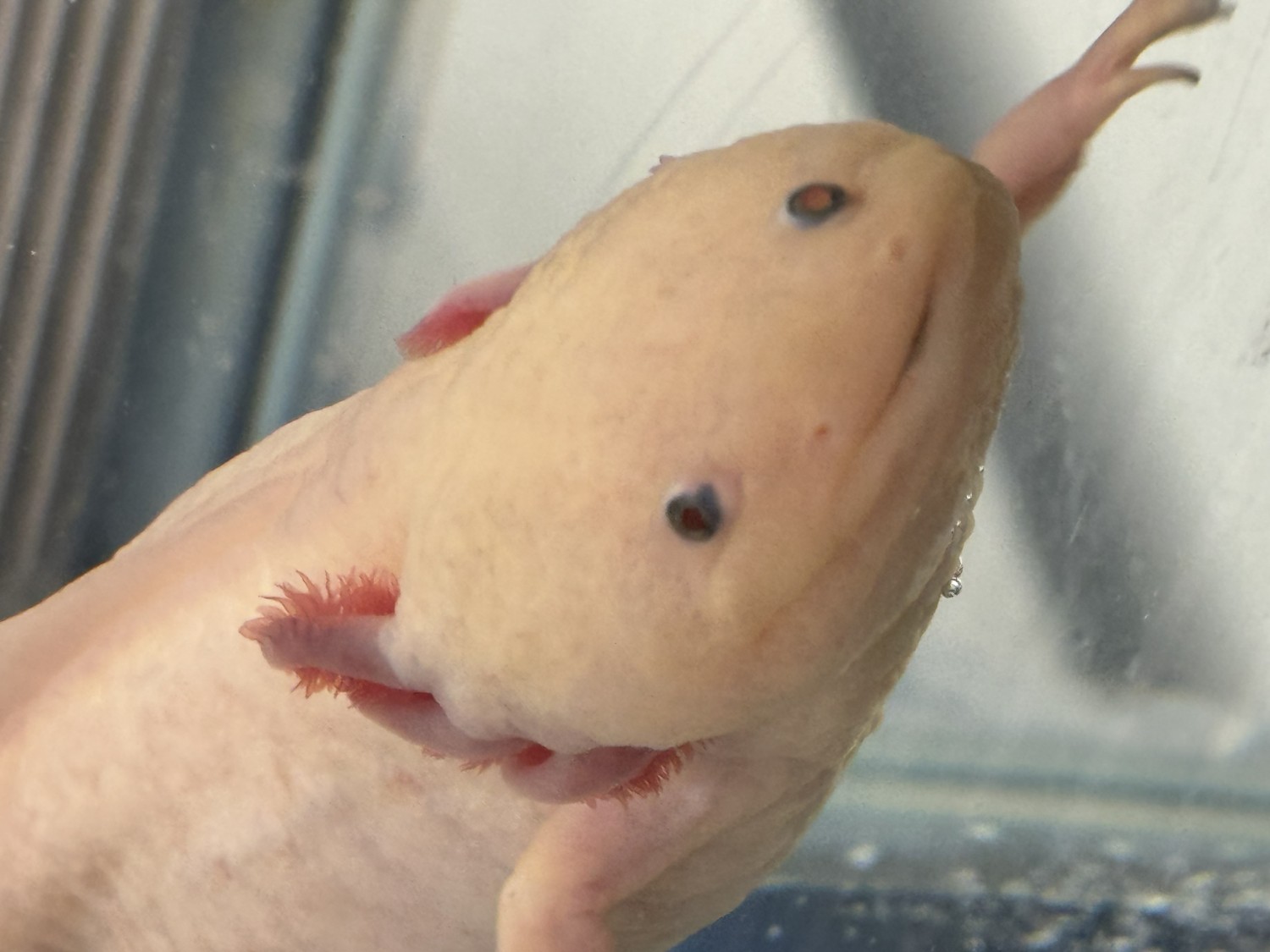
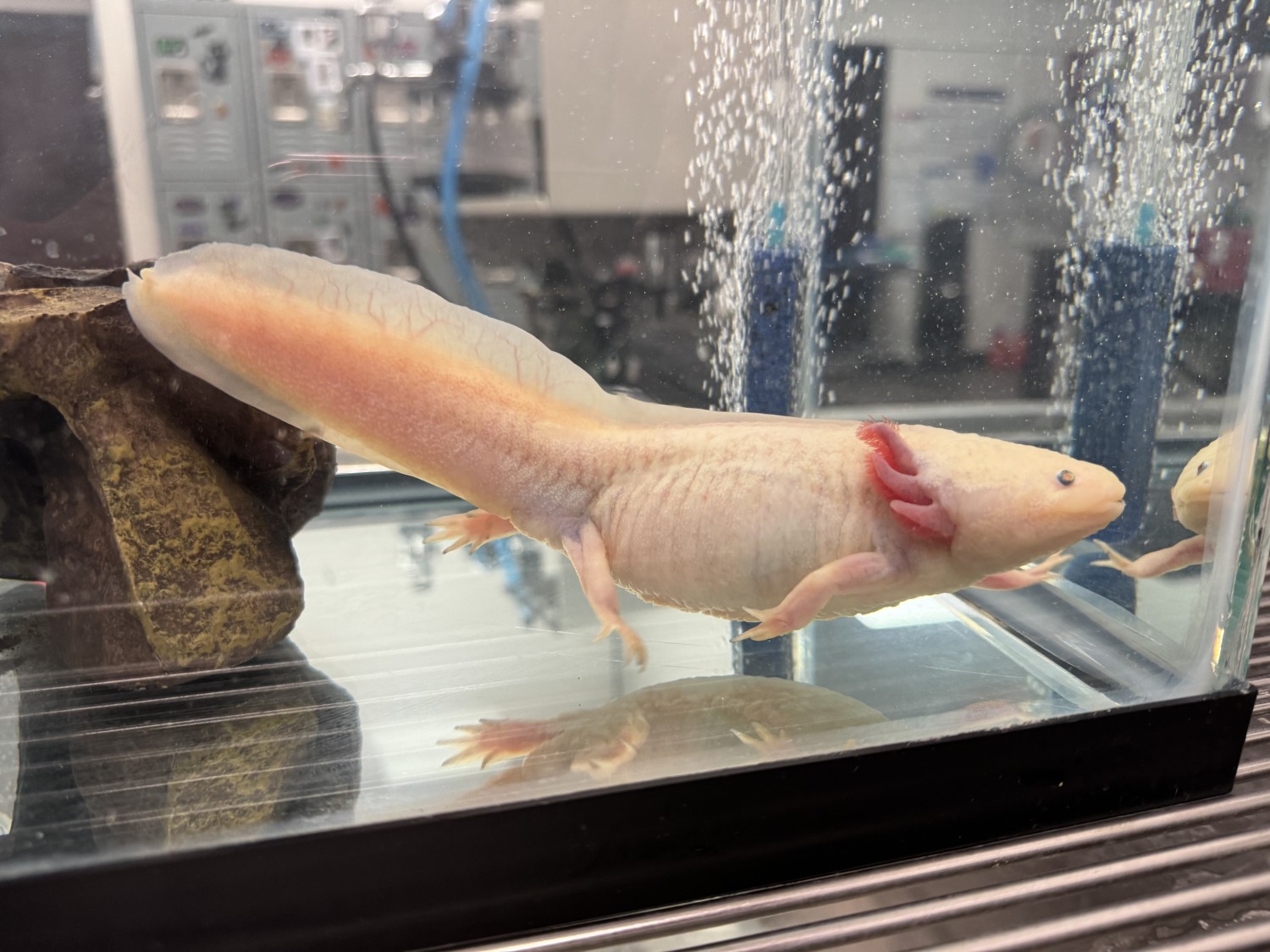
Axolotls, also known as "Mexican walking fish," are aquatic amphibians native to the lakes around Mexico City, particularly Lake Xochimilco. Known for their unique ability to regenerate limbs and organs, they have become popular pets among aquarium enthusiasts. However, these creatures require specific care to thrive in captivity. This guide, with insights from Little Critters Veterinary Hospital, covers all the essentials you need to know about axolotl care, including feeding, water quality, temperature, lighting, common health issues, and expert tips for keeping your axolotl healthy and happy.
Feeding Your Axolotl
A well-balanced, protein-rich diet is crucial for the health of your axolotl. These amphibians are carnivorous, and their diet should mimic what they would encounter in the wild.
Food Options:
- Earthworms: A favorite for axolotls and easily sourced from bait shops or cultivated at home.
- Bloodworms: Offer frozen or live as an occasional treat.
- Brine Shrimp: Available live or frozen; a nutritious choice for juveniles and adults.
- Axolotl Pellets: Use pellets formulated for carnivorous aquatic species to ensure balanced nutrition.
- Blackworms: Provide occasionally to add variety to the diet.
Feeding Guidelines:
- Juveniles (under 5 inches/13 cm): Feed daily, as they require more nutrients to support rapid growth.
- Adults: Feed 2-3 times per week, adjusting based on growth and activity.
- Uneaten Food: Remove uneaten food after 15-20 minutes to prevent water contamination and keep the tank clean.
Water Quality: The Key to Axolotl Health
Maintaining pristine water quality is essential for axolotl well-being. Poor water conditions can lead to stress and health issues, making regular monitoring a top priority.
Optimal Water Parameters:
- Temperature: 60-68°F (16-20°C); axolotls are sensitive to heat and prefer cooler water.
- pH Level: Maintain a slightly alkaline pH of 7.4-7.6.
- Ammonia, Nitrite, Nitrate: Keep these at 0 ppm or as close to zero as possible. Even small traces can cause harm.
Water Maintenance Tips:
- Filtration: Use a gentle-flow filter, such as a sponge filter, to reduce stress from strong currents.
- Water Changes: Perform 20-25% water changes weekly, using a water conditioner to neutralize chlorine and chloramines.
- Testing Water: Use a reliable water testing kit to check parameters and address issues promptly and regularly.
Substrate: Safe Options for Axolotl Tanks
The choice of substrate can significantly impact your axolotl’s health. Some materials pose a risk of ingestion, leading to potential digestive blockages.
Recommended Substrates:
- Fine Sand: Suitable for adult axolotls but may still pose a risk for juveniles.
- Bare-Bottom Tank: An excellent option for ease of cleaning and maintenance.
- Large Stones or River Rocks: If using stones, ensure they are large enough that your axolotl cannot swallow them.
Lighting: Mimicking Natural Cycles
Axolotls don’t require specific lighting but benefit from a natural day-night cycle to reduce stress.
Lighting Tips:
- Low-Intensity LED Lights: Use subdued lighting or rely on ambient room light.
- Avoid Direct Sunlight: This can lead to overheating and unwanted algae growth.
- Consistent Day-Night Schedule: Maintain a 12-hour light-dark cycle to promote natural behavior.
Temperature: Maintaining Stability
Axolotls are highly sensitive to temperature fluctuations. Their ideal range is 60-68°F (16-20°C). Temperatures above 72°F (22°C) can cause stress, leading to health problems.
Temperature Management:
- Monitor with a Thermometer: Place one inside the aquarium to track temperature daily.
- Cooling Fans or Aquarium Chillers: Use these devices to keep the water cool during warmer months.
- Insulate the Tank: If needed, use insulating materials around the tank to maintain a stable temperature.
Common Health Conditions and How to Prevent Them
Even with the best care, axolotls may develop health issues. Early detection and prompt treatment are key to keeping them healthy.
- Fungal Infections:
- Symptoms: White, cotton-like growths on the skin or gills.
- Treatment: Use antifungal medication and improve water quality to prevent recurrence.
- Bacterial Infections:
- Symptoms: Redness, swelling, or sores on the body.
- Treatment: Consult a veterinarian for antibiotic treatments. Maintain clean water to avoid infections.
- Impaction:
- Cause: Ingestion of gravel or small substrate pieces.
- Prevention: Use safe substrates like fine sand, bare-bottom tanks, or large stones.
- Stress:
- Symptoms: Pale coloration, lethargy, or reduced appetite.
- Management: Provide a stable environment with plenty of hiding places and maintain optimal water parameters.
Tips from Little Critters Veterinary Hospital
- Source from a Reputable Breeder or Rescue: Ensure your axolotl is healthy and free from genetic issues.
- Cycle the Aquarium Before Introducing Your Axolotl: Establish beneficial bacteria to stabilize water parameters.
- Provide Hiding Spaces: Use PVC pipes, caves, or aquatic plants to create secure areas where your axolotl can retreat.
- Minimize Handling: Axolotl skin is delicate; avoid excessive handling to prevent injury or infection
.
- Consult an Exotic Pet Veterinarian: Reach out to a veterinarian specializing in amphibians for routine check-ups or any health concerns.
Conclusion
Axolotls are fascinating and rewarding pets, but they require dedicated care and attention to thrive. From providing a balanced diet to maintaining optimal water quality and temperature, following these care guidelines will ensure your axolotl remains healthy and happy. By consulting with experts like those at Little Critters Veterinary Hospital and staying proactive in your axolotl's care, you can enjoy a long and fulfilling companionship with your axolotl.
Investing time and effort into proper axolotl care will not only enhance their quality of life but also allow you to experience the joy of keeping one of nature’s most remarkable creatures.
| 
 Processing ....